


American Friends of Rabin Medical Center
We support innovative medical treatment and healthcare at Israel’s Rabin Medical Center for one million patients annually. Partnering with the hospital, we promote the best care, research and technology to reach new frontiers in global medicine. We facilitate international medical fellowships with individual and corporate support for the hospital.
About Rabin Medical Center
Hostages return home to Rabin Medical Center
Rabin Medical Center Doctors: Caring For The Wounded
American Friends helping Rabin Medical Center of Israel during a National Emergency
AN URGENT PLEA FROM DR. FELIX BENNINGER AT ISRAEL'S RABIN MEDICAL CENTER
Dr. Felix Benninger, Deputy Director, Department of Neurology, has an emergency plea from Israel's Rabin Medical Center during this horrific war.
Rabin Medical Center completes historic double heart transplant
![Israel's Rabin Medical Center's Transplant Team on their way to Cyprus to retrieve heart and lung donations [Photo: Rabin Medical Center]](/images/heart-transplant.jpg)
Israel's Rabin Medical Center's Transplant Team on their way to Cyprus to retrieve heart and lung donations [Photo: Rabin Medical Center]
In a unique partnership between Israeli and Cypriot doctors, a rare double transplant saves the lives of two women.
Israel's Rabin Medical Center was engaged in an international transplant effort - the first of its kind in Israel in over thirty years - as it received from Cyprus a donated heart for one female patient, and - from the same organ donor - lungs to another female patient.
The procedure, which was under enormous time pressure, was carried out in under four hours and included numerous medical professionals as well as aviation personnel to retrieve and bring the organs within the required time.
Dr. Tamar Ashkenazi, Director of Israel's National Transplant Center, received a call from Cyprus, with the presented donation of a heart and lungs. Dr. Ashkenazi jumped at the opportunity and quickly contacted Dr. Yuri Peysakhovich, Rabin Medical Center's Director of Thoracic Surgery. Dr. Peysakhovich understood the obstacles and immediately set the wheels in motion to acquire the donated organs.
“A heart can survive outside the body for only four hours - and we were up to the task,” Dr. Peysakhovich stated.
The operation began at 10:30 am in Cyprus, and by noon both organs were in operating rooms in Rabin Medical Center.
Dr. Peysakhovich added, “This kind of life-saving effort transcends borders. It was incredibly moving to see how many people, in both countries, immediately mobilized to save lives.”
A 34-year old woman received the heart transplant, performed by Dr. Ehud Jacobzon, Director of Rabin Medical Center's Transplant Unit, and a 68-year old woman with advanced lung disease, was successfully operated on by Prof. Erez Sharoni, Rabin Medical Center's Director of Cardiac Surgery, Dr. Israel Kuzitz, and a team of thoracic surgeons.
Both operations were a success and the two patients are recovering well.
Dr. Ben Ben-Avraham, Rabin Medical Center's Director of the Heart Failure Service, was also member of this enormous effort and had been working with the heart patient before this operation. This unique opportunity, to receive such an organ donation that transcended borders, was beyond a miracle.
“We have an amazing population that donates, but we need more. Every organ donor saves multiple lives.”
Important Updates
Hundreds of Israeli Soldiers Suffer From Untreated Brain Injuries
The recent Gaza War has left thousands of wounded Israeli soldiers struggling with their injuries. An inordinate number of those injuries include trauma to the brain.
Israel Independence Day: Returned Hostages Meet with Wounded Soldiers at Rabin Medical Center
An emotional gathering of returned hostages and recovering wounded soldiers at Israel's Rabin Medical Center marked Israel's Independence day on a sober yet hopeful note.
Rabin Medical Center: Treating Anxiety & Insomnia from Air Raids
With an almost nonstop barrage of air raids and running to shelters over the past 2 1/2 years, Israelis are suffering sleep disorders on a massive scale.
Dr. Felix Benninger's Personal Account of Iranian Missile Attacks Around Israel's Rabin Medical Center
As you know, these are not easy days here in Israel, and we are deeply grateful to have America by our side.
Israel's Rabin Medical Center's Tower of Hope $180 Million Donation Mends The "Broken Israeli Stretcher"
Dr. Harlap stated, “A public hospital best represents the healing of divisions in Israeli society.”
Innovative Surgery at Israel's Rabin Medical Center Saves Limbs of Severely Wounded Soldiers
Ground combat has been particularly brutal during this current war. According to reports, over 500 Israeli soldiers have serious injuries, many of which include full or partial amputation and permanent limb damage.


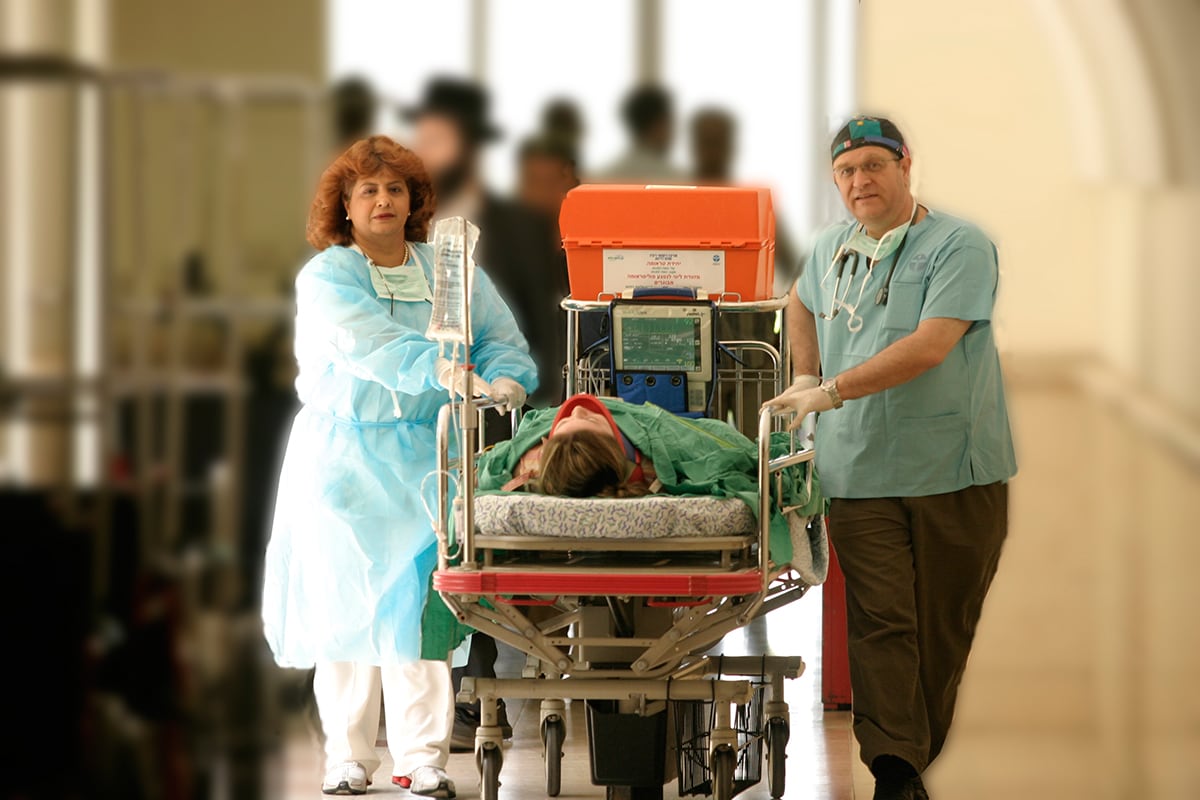
In the face of adversity and war, Israel’s Rabin Medical Center of Petach Tikvah stands as a pillar of strength. Rabin Medical Center’s Emergency and Trauma Center is the largest in the Middle East, one of only six Level One ER and trauma centers in Israel, and a pillar of defense for Israel’s security.
DONATE HERE TO SUPPORT THE EMERGENCY & TRAUMA CENTER AS IT SAVES LIVES
Recent Global Connections with Robert Siegel
AMERICA-ISRAEL PARTNERSHIP – LEADER TRIBUTES
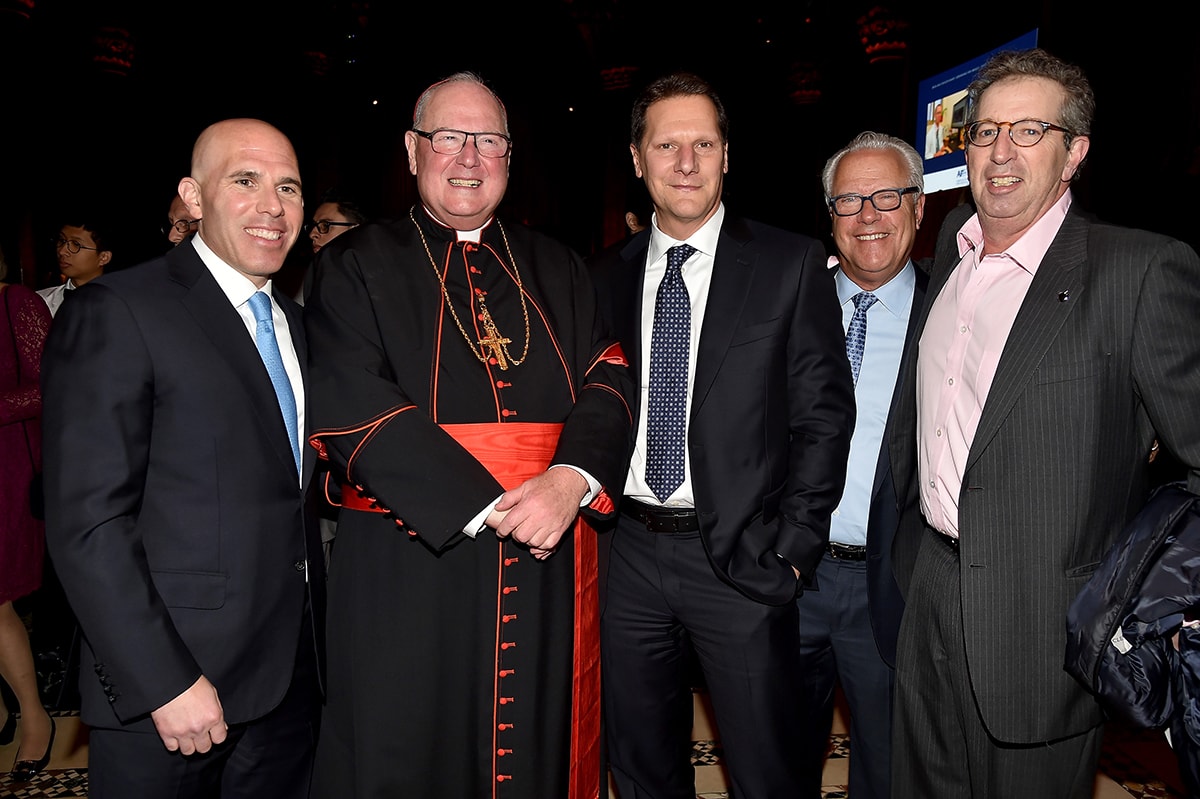
Cardinal Timothy Dolan, Archbishop of New York:
“…that the Catholic archbishop of New York would be honored by an acclaimed hospital in Israel reflects the touching and tender climate of religious amity that radiates from this city. That Christians, Jews, Moslems, and representatives of so many diverse creeds would come together in fun, fellowship, and support of a healing center in Tel Aviv is a tribute to a religious freedom and respect for belief that is not to be taken lightly, since in most parts of the world where such an event would be thought science fiction.”
New Jersey Governor Phil Murphy:
“President John F. Kennedy is one of my heroes. And, it is he who said about Israel: “It is the child of hope … it has not been a Jewish cause – any more than Irish independence was solely the concern of Americans of Irish descent.”
I cannot think of any institution which better exemplifies this statement than the Rabin Medical Center, nor any American organization which lives this maxim than the American Friends.
Millions of people – of all faiths and all nationalities – have walked through the doors of the Rabin Medical Center with the understanding that they will be treated with dignity, by some of the best medical staff, and in one of the most-advanced health-care settings in the entire world.
The doors of the Rabin Medical Center are doors of hope.”
New York Governor Kathy Hochul:
“[Rabin Medical Center] truly also embodies the vision of someone I followed closely as a child, someone who dominated the news all the time. [ Prime Minister Yitzhak Rabin] was an extraordinary individual who had a vision that we could provide services regardless of religious background, ethnicity or where people came from, that everybody was entitled to quality healthcare.
We want to make sure that people living everywhere, particularly in Israel, have access to quality healthcare, high quality healthcare at Israel’s Rabin Medical Center serving over a million people a year. And the workers there are extraordinary individuals who are filled with such compassion for their fellow man and woman, and what we saw during this pandemic was an outpouring of that love despite the risks. They showed up day after day after day, and for that we honor them. But to simply call people heroes doesn't seem like enough.
Davidoff Cancer Center Expansion
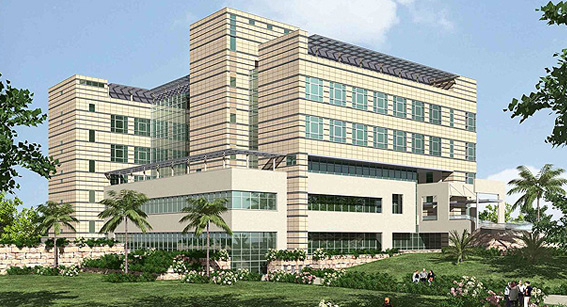
The Davidoff Cancer Center, opened in 2005, is the leading oncology center in Israel and the Middle East, treating 130,578 patients last year. Funded through the vision and generosity of the Davidoff Family and Davidoff Foundation, the hospital provides for renowned cancer experts from major hospitals abroad with funded fellowships. Due to the Center’s high demand since its establishment, a major expansion will be completed in 2022 with six new floors added to the Davidoff Center to facilitate the increased patient load. The Davidoff Center has become a place of healing for all Israelis and calls upon your support to facilitate this vital expansion.
Help Us...
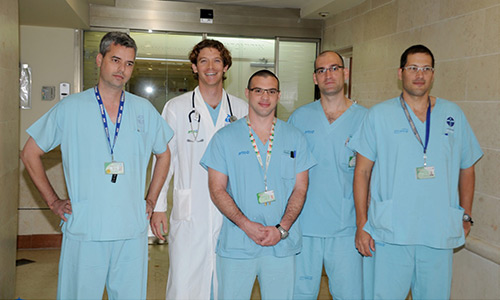
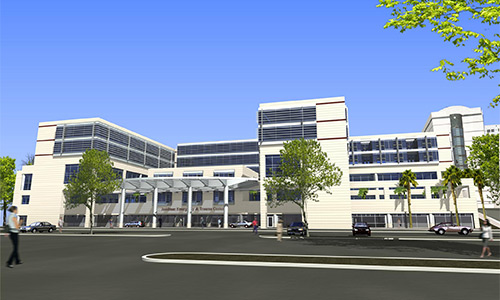
AFRMC Recent Event Photos





Our YouTube Channel
Facts & Figures
Recent Annual Statistics for Rabin Medical Center

|
1,000,000 Annual Patient Visits 200,000 ER Admissions 35,000 Surgical Procedures 20,000 Patients Daily 10,000 Births 7,000 Staff Members 1,100 Patient Beds + 500 COVID-19 Beds 290 Organ Transplants 120 Bone Marrow Transplants 50 Research Laboratories |
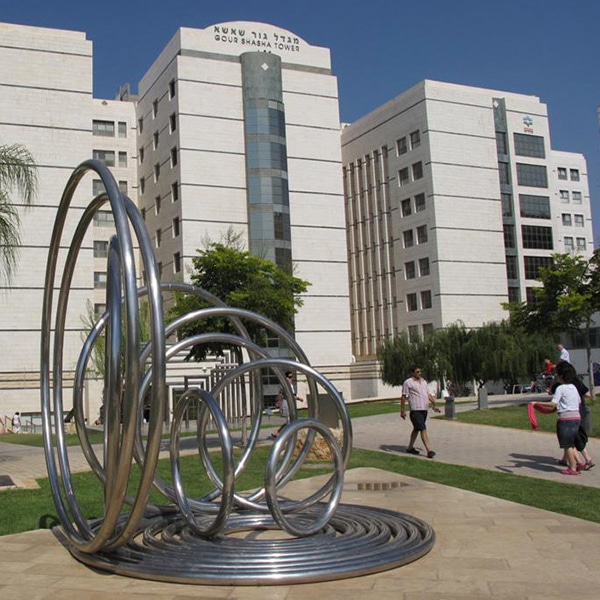
Rabin Medical Center Statistics

|
200,000 ER Admissions 10,000 Births 35,000 Surgical Procedures 290 Transplants |

Cancer Care and Treatments at Rabin Medical Center
|
|
71,785 Outpatient Visits 56,912 Radiation Therapy Visits 50,175 Radiation Therapy Treatments 37,502 Chemotherapy Treatments 10,124 Integrative Medicine Unit Visits |
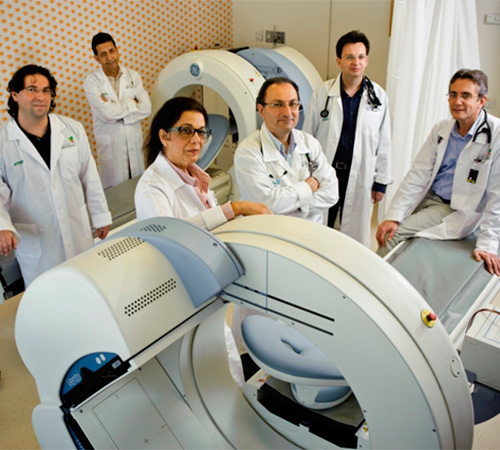
Cardiac Care at Rabin Medical Center
|
|
4,228 Hospitalizations 3,316 Cardiac Catheterizations 808 Cardiothoracic Surgeries 716 Pacemakers and Heart Rhythm Procedures 82 Trans-catheter Valve Interventions |
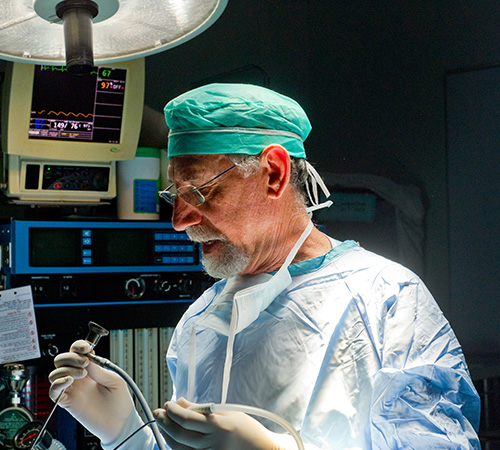
Raphael Recanati Genetics Institute Care at Rabin Medical Center
|
|
52,034 Genetic Screenings 22,350 Genetic Consultations 2,454 Genetic Chip Tests 357 Pre-Implantation genetic testing done |
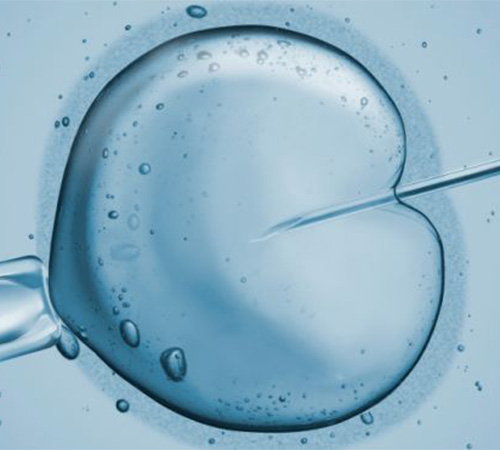
Helen Schneider Women’s Hospital Care at Rabin Medical Center
|
|
24,900 Emergency Room Visits 22,000 Ultrasounds Performed 20,256 Maternity Emergency Room Visits 10,207 IVF Clinics Performed 9,123 Outpatient Clinics Performed |
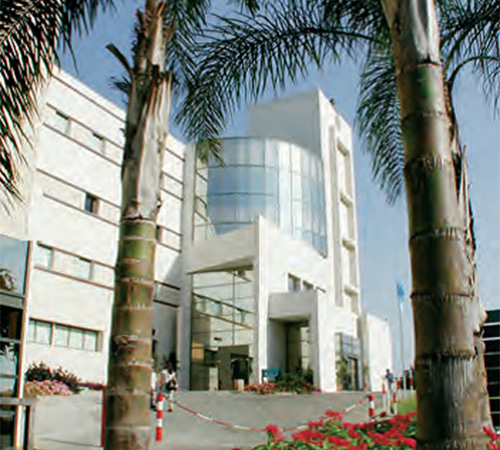
Sign Up for Email Updates