
Breech Births, Natural or Surgical
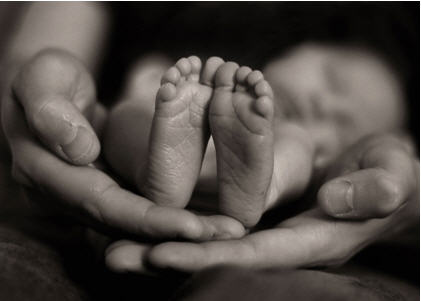
Each year, 6,400 breech births, wherein the baby is born while oriented feet-first, are recorded in Israel. These make up 3.8% of all births and figures suggest that over 90% of breech births will be delivered surgically via cesarean section. In most cases, the mothers will not be given the opportunity for vaginal childbirth, because past research concluded that cesarean sections are preferable to vaginal births when delivering fetuses in the breech position. Since then, there has been a near total cessation of vaginal births for breech babies in Western countries, including Israel. However, recently published studies have cast doubt on this research, suggesting that the elevated risk of infection and unintentional harm to the mother, which in the worst cases result in hysterectomy or death, in addition to the unavoidably long and difficult recovery from surgery outweigh the discomfort and potential for harm to the infant of a vaginal birth. In Israel, Rabin Medical Center is leading the effort to overturn the outdated breech birth policy.
In recent years Prof. Marek Glezerman, head of The Helen Schneider Hospital for Women at Rabin Medical Center, has been one of the doctors at the forefront of this debate, urging Israeli hospitals to perform vaginal births for breech fetuses under certain conditions and publishing a widely read critical comment on the issue. Since obstetricians have rarely practiced vaginal breech birthing over the past decade, there is a need to re-develop this expertise and set standards for its use. To that end, Prof. Marek Glezerman hosted a symposium at The Helen Schneider Hospital for Women at Rabin Medical Center, which hosted obstetricians from hospitals around the country and medical experts from abroad. The participants discussed allowing women the option of vaginal deliveries for breech birth. Together with the Israeli Society of Obstetrics and Gynecology, they are now recommending that Israeli obstetricians perform vaginal childbirth with certain women with breech presentation. For many women in Israel, the breech birth may no longer deny them a natural birth experience.
Related Articles
AFRMC Thanks Its Sponsors: 2016 Cheryl Diamond Nyc 5k Schlep Run / Walk for Breast & Ovarian Cancer Research & Treatment
The Sixth Annual Cheryl Diamond NYC 5k Schlep Run / Walk in Battery Park on June 5, 2016 highlighted the BRCA Gene Multidisciplinary Clinic, serving women at high risk of breast and ovarian cancer.
Advancing Women's Healthcare in the Arab Israeli Population
In continued support and
friendship with Rabin Medical
Center, Harold and Tamar
Snyder have generously funded
an internship in the field of
gynecology.
The Art of Healing: Art by Breast Cancer Survivors
Everyone is aware of the level of expert care that Rabin Medical Center offers to its patients. What is less well known, however, is the degree of thought that goes into planning and managing a patient's care.